
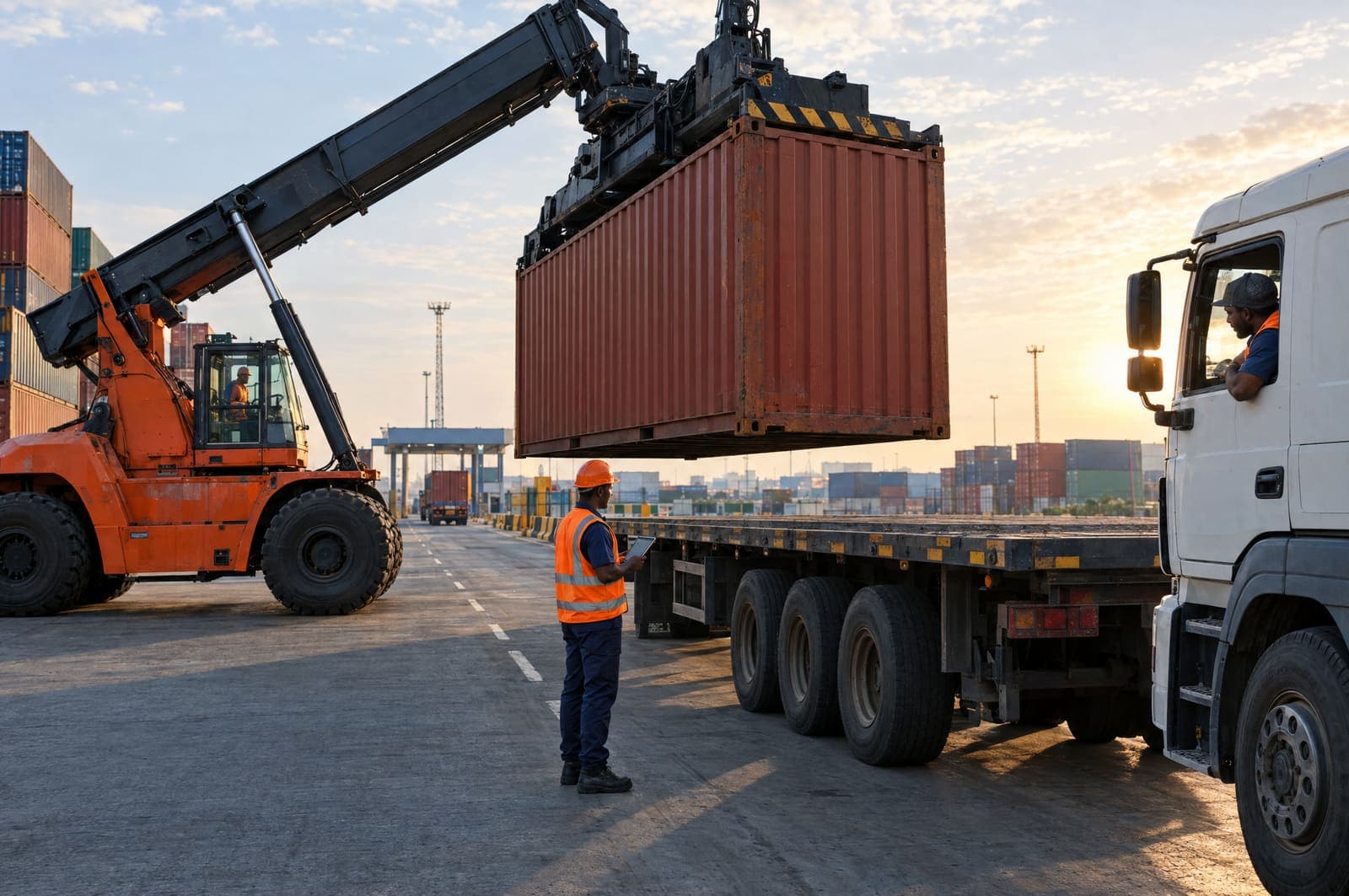
Freight forwarding in Ghana, planned around your cargo.
We handle sea-freight imports and exports into and out of Ghana for full container loads (FCL), roll-on, roll-off vehicles and machinery (RoRo), and breakbulk cargo. One advisor coordinates your shipment from vessel booking and documentation to customs clearance and inland delivery, and tells you early if anything changes.
- Years of industry experience
- 20+
- Years of service to clients
- 5+
- Record of no demurrage
- 100%
- GIFF corporate member
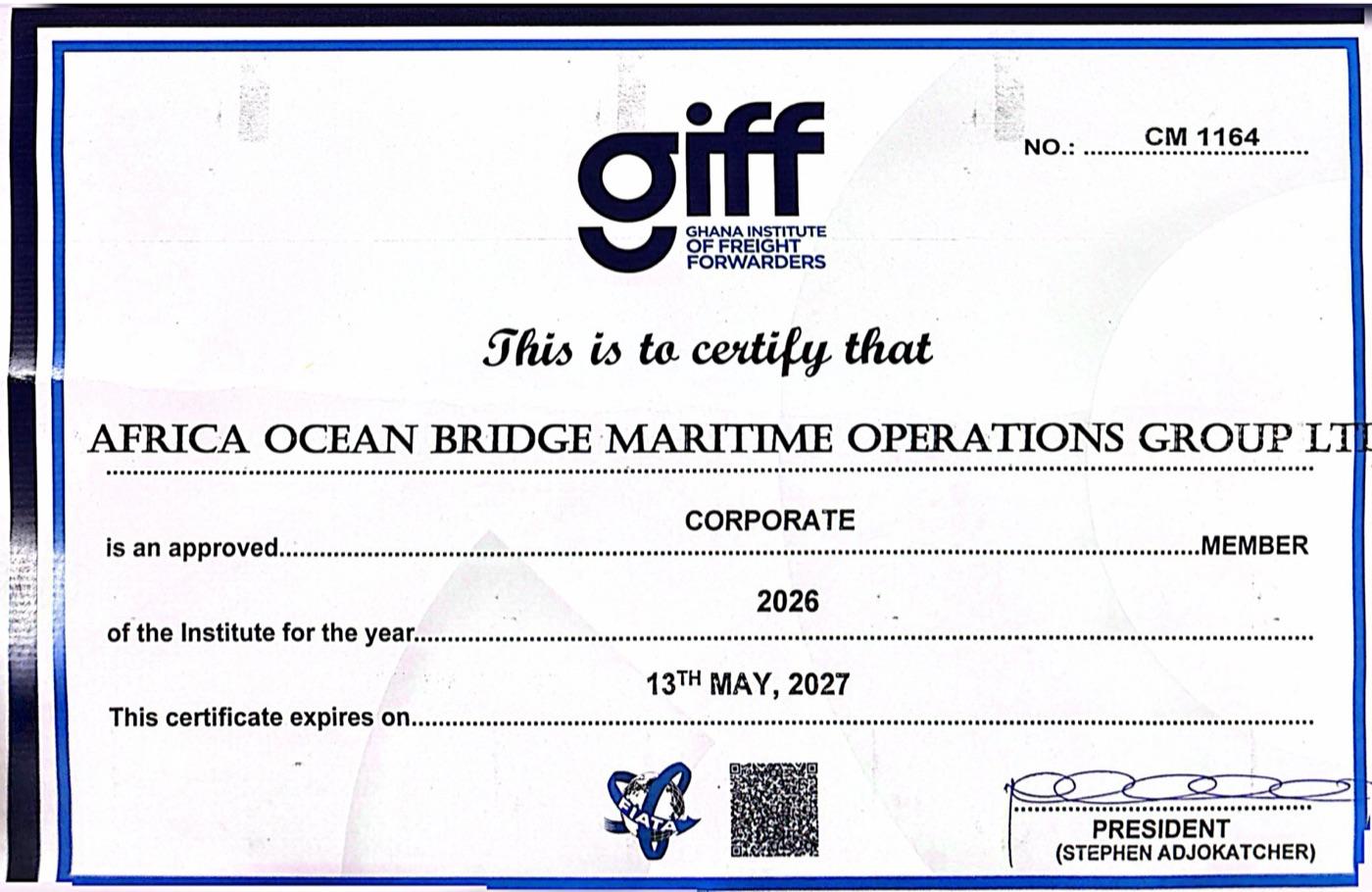 (opens the full certificate)
Freight forwarding
Cargo we move
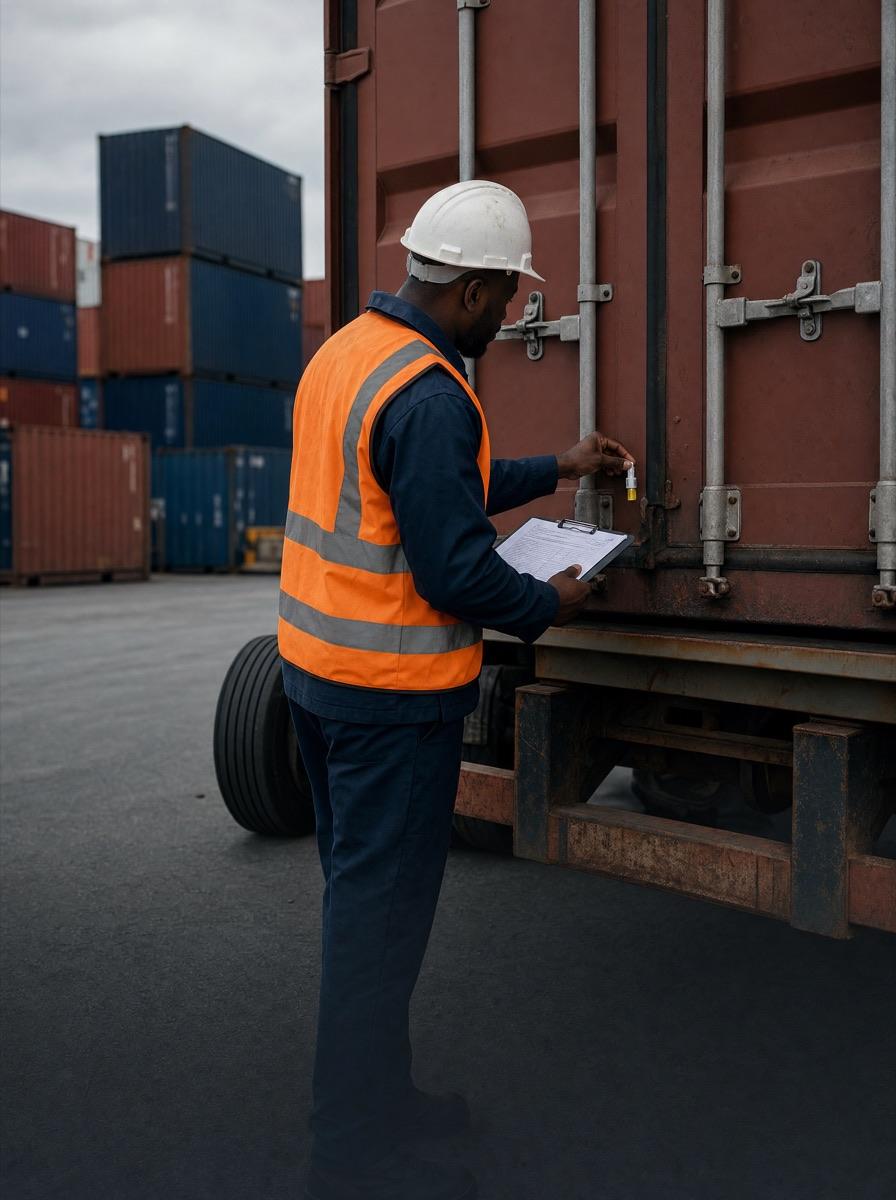
FCL
Full container load
Your goods in a dedicated 20ft or 40ft container, sealed at origin and moved as one unit between the port and your premises.
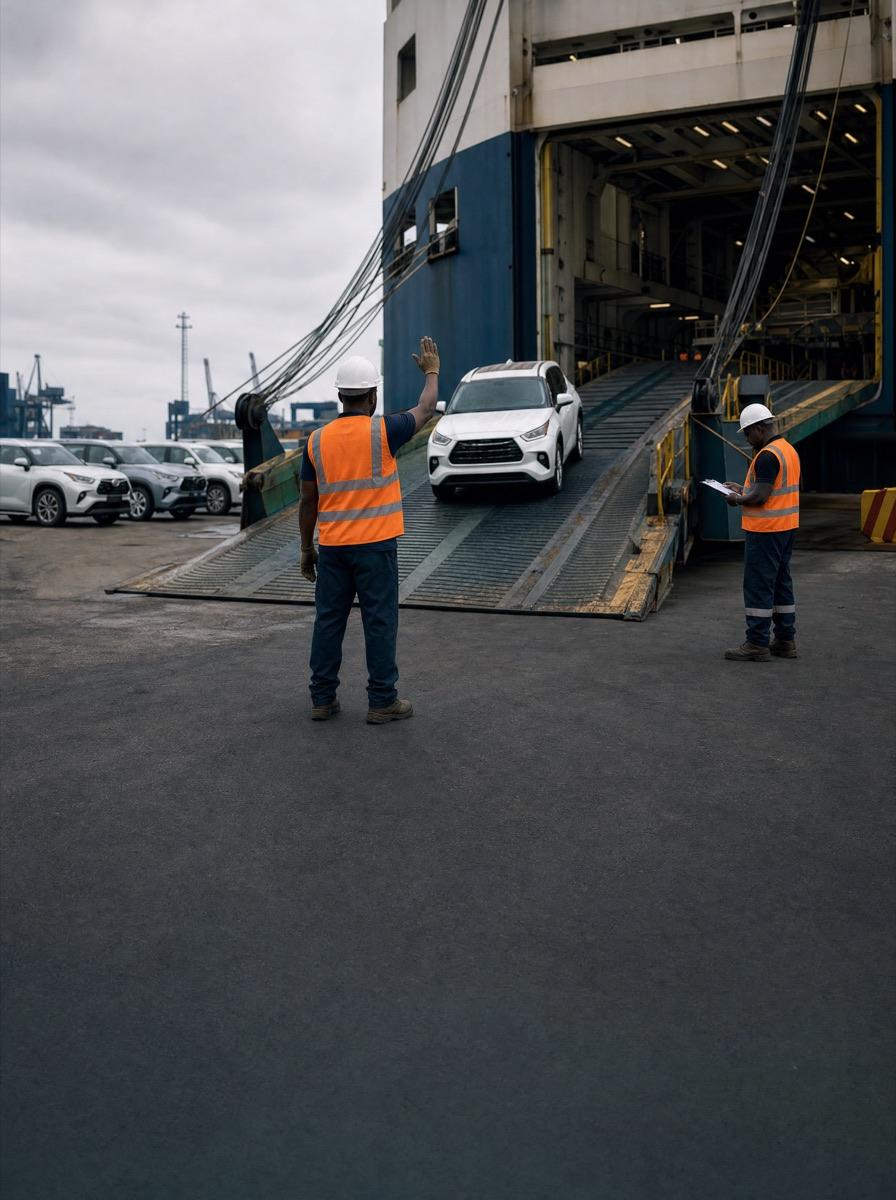
RoRo
Roll-on, roll-off
Vehicles and wheeled machinery driven on and off the vessel, with clearance and onward transport arranged around arrival.
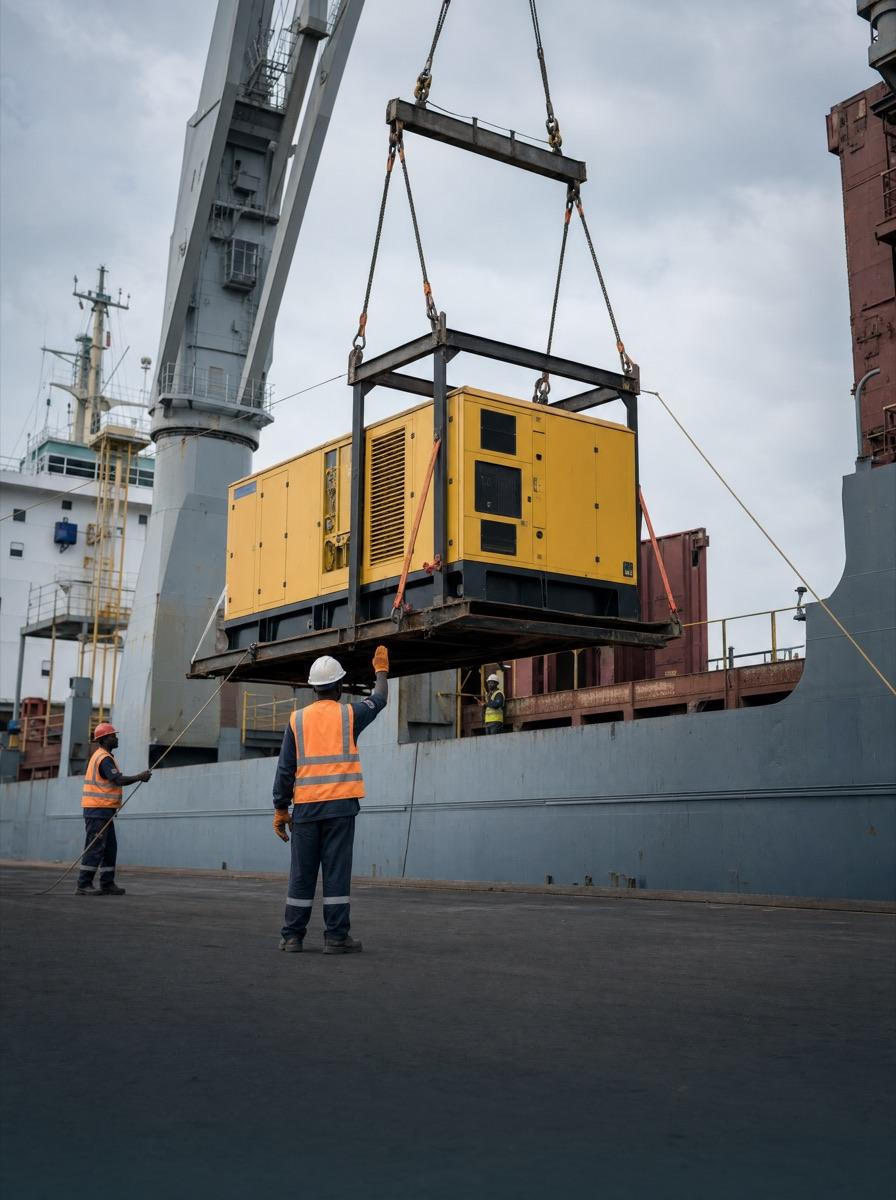
Breakbulk
Out-of-gauge and heavy cargo
Machinery, steel and project cargo too large for a container, handled piece by piece with every lift planned in advance.
How it works
How cargo moves, stage by stage
Every sea-freight shipment follows a defined sequence. Each stage below sets out what takes place and why the stage matters to the movement of cargo.
Import4 stages
- 1
Pre-arrival documentation and audit
The bill of lading, commercial invoice, packing list and any regulatory permits are collected before the vessel arrives and checked against one another and against the cargo. Discrepancies such as a missing permit or a mismatched declared value are the most common reason cargo is held at the port, and are far quicker to correct before arrival than after.
- 2
ICUMS processing
The goods are classified under the correct tariff codes, duties and taxes are calculated, and the customs declaration is lodged through ICUMS, Ghana's Integrated Customs Management System. An accurate declaration avoids queries, reassessment and penalties, and confirms the amount payable before payment is made.
Customs clearance in Ghana - 3
Port and clearance coordination
Once the vessel berths, the delivery order is obtained from the shipping line, any physical examination by Customs is attended, and release is secured from Customs and the terminal. Each container has a limited number of free days at the port; clearing within that window prevents demurrage and storage charges from accruing.
- 4
Delivery
Haulage is scheduled to match the release, and the cargo is moved to the consignee's warehouse or site, with the cargo's condition checked at handover. The empty container is then returned to the shipping line on time, avoiding detention charges.
Export5 stages
- 1
Cargo and commercial terms review
The nature of the cargo, the destination and the Incoterms agreed between seller and buyer are reviewed to establish who bears each cost and risk, and which permits and certificates apply. Settling this at the outset prevents disputes over charges and missed regulatory requirements later in the shipment.
- 2
Route and carrier booking
Routes and sailing schedules are compared, and space is booked with a carrier that meets the delivery deadline and budget. The confirmed booking secures a place on the vessel and fixes the cut-off dates that every later stage works towards.
- 3
Cargo readiness and documentation
The cargo is confirmed as packed, marked and ready; the commercial invoice and packing list are prepared; export permits or certificates are obtained; and the export declaration is lodged through ICUMS. Complete, consistent documents allow the cargo to be accepted at the port and cleared at destination.
- 4
Transportation to the port
Trucking or container haulage is arranged so the cargo reaches the port before the carrier's cut-off. Missing the cut-off means the cargo is rolled to a later sailing, delaying delivery and often adding cost.
- 5
Port and field operations
At the port, the cargo is gated in, presented for any customs examination and handed over for loading. Once the cargo is on board, the carrier issues the bill of lading: the proof of shipment often required for the seller to receive payment.
Freight forwarding
What we handle
Import
- Pre-arrival documentation processing
- Regulatory permits and certifications processing
- ICUMS and customs declarations
- Port field operations
- Inland transportation
Export
- Booking vessel space
- Shipment documentation processing
- Regulatory permits and certifications processing
- ICUMS and customs declarations
- Port field operations
- Transportation to the port
Freight forwarding
Industries we serve
- Mining and resource developmentMachinery and spare parts reach site when your plan says they will, so commissioning stays on schedule and production is not lost to waiting.
- Engineering and constructionEquipment and materials arrive in the order your build needs them, so crews keep working and you hand over projects on time.
- Agriculture and fisheriesYour produce is cleared and shipped while it is fresh, so it reaches buyers at full value and you can take on new export markets with confidence.
Freight forwarding
Why choose us
- 01
Excellent client experience
One advisor follows your shipment from booking to delivery, explains every charge before you pay it and tells you early if anything changes.
- 02
Seamless operational process
Documents, permits, declarations, port work and transport are handled by one team, so nothing waits on a handover between providers.
- 03
Safe handling of cargo
Your cargo is handled with care from the vessel to the gate to your premises, with its condition checked at each handover.
Questions
Frequently asked questions
How are vessel schedules, cut-offs and arrival changes handled?
Vessel schedules change often: sailings are delayed, berthing windows move and carriers adjust their cut-off dates. For exports, we confirm the booking, documentation and cargo delivery cut-offs with the carrier and plan trucking and paperwork backwards from them, so your cargo is at the port in time to load. For imports, we follow the carrier's arrival notices and adjust document processing, clearance and delivery plans whenever the arrival date moves. Your advisor tells you early when a schedule changes and what it means for your timeline, so you can adjust production, sales or site plans before a delay becomes a cost.
When should wheeled equipment travel by RoRo rather than another cargo arrangement?
RoRo suits cargo that can be driven or towed on and off the vessel: cars, trucks, buses, tractors and wheeled machinery such as graders and loaders. It avoids container loading and crane lifts, and vehicles roll straight onto the quay at discharge. Non-running or tracked units can often still travel RoRo on a roll trailer, but very heavy or oversized units may need breakbulk, and small vehicles shipped with spare parts can be better value in a container (FCL). We look at each unit's dimensions, weight, condition and route, and the carriers serving it, then recommend the option that delivers your equipment safely at the right cost.
What documents do I need to import goods into Ghana?
Most imports need a bill of lading, a commercial invoice, a packing list and the importer's Taxpayer Identification Number (TIN). Depending on the goods, you may also need a certificate of origin and permits or certificates from regulators such as the Food and Drugs Authority, the Ghana Standards Authority or the Environmental Protection Agency. A missing or inconsistent document is the most common reason cargo is held at the port. AOBMOG reviews every document before the vessel arrives, flags gaps while there is still time to fix them, processes the permits and lodges your ICUMS declaration, so your goods clear without detention or penalties.
What documents are needed to export goods from Ghana?
Exports usually need a commercial invoice, a packing list, the shipping line's booking confirmation and an export declaration lodged through ICUMS. Depending on the goods, you may also need a phytosanitary certificate for agricultural produce, a certificate of origin for preferential trade, or a permit from the relevant regulator. AOBMOG books your vessel space, prepares and processes the documents and permits, and moves your cargo to the port in time for loading, so your shipment makes its sailing and reaches your buyer when you promised.
What information is needed for an FCL, RoRo or breakbulk quote?
For any quote, share a description of the cargo (and its HS code if you have it), the origin and destination, the Incoterms agreed with your supplier or buyer, the date the cargo will be ready, and whether you need customs clearance and inland delivery. Then, by cargo type: for FCL, the number and size of containers (20ft or 40ft) and the gross weight; for RoRo, the make, model, year, dimensions and weight of each unit, and whether it runs; for breakbulk, the dimensions and weight of each piece, its packing and lifting points, and any drawings. Complete details give you an accurate quote with no surprises later. Send what you have and your advisor will help fill any gaps.
Insights
Related resources
 Freight GuidesFreight Planning Guide: Moving FCL, RoRo and Breakbulk Cargo Through GhanaHow to plan sea-freight imports and exports through Ghana: cargo arrangements, Incoterms, cut-offs, documents, costs and inland delivery, step by step.
 Export IntelligenceExporting Processed Cocoa from Ghana: What to KnowGhana's processed cocoa exports hit $3.69bn in 2025 while raw bean exports fell. What that means for manufacturers shipping paste, butter and powder.
 Export IntelligenceGhana Cocoa Export 2026: Why 330,000 Tonnes Are Stranded and What It Means for the Export ChainOver 330,000 tonnes of Ghana's cocoa is stranded in 2026. Here's what's blocking the export chain and how to keep your cargo moving through Tema Port.
Get started
Ready to move?
Get a quote prepared around your cargo and timeline. If you would like to talk things through first, an advisor is happy to help.